


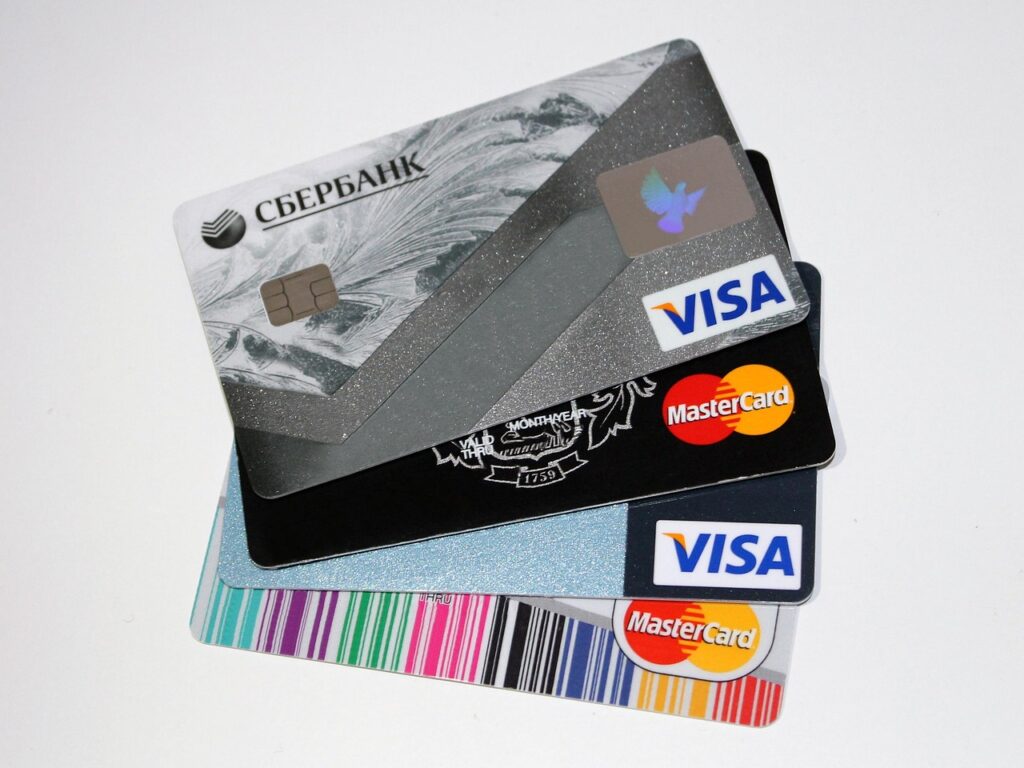
A striking statistic from recent studies shows that over 70% of the global population will be using digital payments by the end of 2026, marking a significant shift from traditional payment methods. This surge is attributed to the ease, speed, and security digital payments offer. Moreover, the COVID-19 pandemic has accelerated this shift, as governments and businesses worldwide encouraged contactless transactions to reduce the spread of the virus. With the value of digital payments projected to exceed $10 trillion by 2026, it’s clear that this sector is gaining attention rapidly. The integration of emerging technologies such as blockchain and artificial intelligence into digital payment systems is further enhancing their appeal. As a result, understanding the current state and future trends of digital payments is crucial for both businesses and individuals alike.
&#; What You'll Learn
The Current State of Digital Payments in 2026
The current state of digital payments is characterized by a diverse range of payment methods, including credit/debit cards, mobile wallets, and cryptocurrencies. The adoption of these methods varies significantly across different regions, with some countries leading in mobile payments while others prefer traditional card transactions. The security of digital payments has also become a focal point, with the implementation of robust security measures such as tokenization and biometric authentication. Furthermore, the rise of fintech companies has introduced innovative payment solutions, making digital transactions more accessible and affordable for a broader audience.
One of the key factors influencing the current state of digital payments is the regulatory environment. Governments around the world are working to create frameworks that support the growth of digital payments while ensuring consumer protection and preventing financial crimes. This has led to the development of open banking regulations, which facilitate the secure sharing of financial information between institutions, thereby enhancing the efficiency of digital payments. Additionally, the ongoing pandemic has highlighted the importance of contactless payments, leading to an increase in the adoption of technologies such as near-field communication (NFC) and quick response (QR) code payments.
| Metric | Current Value | Source Type | Trend |
|---|---|---|---|
| Global Digital Payments Value | $6.5 Trillion | Market Research | Increasing |
| Number of Mobile Wallet Users | 2.5 Billion | Industry Reports | Rising |
| Average Transaction Value (Digital) | $50 | Financial Data | Steady |
| Digital Payment Security Breaches | 15% of Transactions | Cybersecurity Studies | Decreasing |
Leading Digital Payment Solutions
1. Contactless Payments
Contactless payments, enabled by technologies like NFC and QR codes, are becoming increasingly popular due to their convenience and speed. Driving forces behind this trend include the widespread adoption of smartphones and the push for contactless transactions during the pandemic. Evidence of its growth can be seen in the significant increase in contactless payment transactions over the past year.
- Enhanced consumer experience
- Reduced queuing times
- Increased transaction security
2. Blockchain Payments
Blockchain technology is being explored for its potential to enhance the security, transparency, and efficiency of digital payments. The driving forces include the need for secure cross-border transactions and the interest of financial institutions in blockchain’s potential. Data shows that blockchain-based payment systems can reduce transaction times and costs significantly.
- Improved security through decentralized ledger technology
- Enhanced transparency of transactions
- Potential for lower transaction fees
Key Benefits:
3. Mobile Wallets
Mobile wallets, such as Apple Pay, Google Pay, and WeChat Pay, are experiencing rapid growth as they offer users a convenient and secure way to make transactions. The driving forces behind this trend include the increasing use of smartphones and the integration of mobile wallets with various payment methods. Studies indicate that the use of mobile wallets can increase transaction speed and reduce the risk of card skimming.
- Convenience of carrying digital versions of credit/debit cards
- Enhanced security through tokenization
- Ability to store loyalty cards and coupons
Key Benefits:
4. Cryptocurrency Payments
Cryptocurrencies, such as Bitcoin and Ethereum, are gaining traction as a form of digital payment due to their decentralized nature and potential for high returns on investment. Driving forces include the growing awareness of cryptocurrencies and the development of more user-friendly payment interfaces. Data shows that cryptocurrency transactions can offer faster settlement times compared to traditional payment methods.
- Potential for high returns on investment
- Decentralized, thus less dependent on traditional banking systems
- Faster transaction settlement times
Key Benefits:
5. Biometric Authentication
Biometric authentication methods, including facial recognition, fingerprint scanning, and voice recognition, are being integrated into digital payment systems to enhance security. The driving forces behind this trend include the need for more secure transaction authentication methods and the advancement in biometric technologies. Evidence suggests that biometric authentication can significantly reduce the risk of identity theft and fraud.
- Enhanced security through unique biometric identifiers
- Convenience of not needing to remember passwords
- Reduced risk of fraud and identity theft
Key Benefits:
6. Open Banking
Open banking regulations are facilitating the secure sharing of financial information between institutions, thereby enhancing the efficiency and innovation of digital payments. The driving forces include the need for more integrated financial services and the push by regulatory bodies to promote competition and innovation. Data indicates that open banking can lead to the development of more personalized financial products and services.
- Enhanced innovation in financial services
- Increased competition among financial institutions
- Potential for more personalized financial products
Key Benefits:
How This Will Evolve
1 Year: Integration of Emerging Technologies
In the next year, the integration of emerging technologies such as artificial intelligence, blockchain, and the Internet of Things (IoT) into digital payments is expected to accelerate. This will lead to more efficient, secure, and personalized payment experiences. For instance, AI can be used to detect and prevent fraud in real-time, while blockchain can enhance the security of transactions. The impact of these technologies will be significant, transforming the way transactions are conducted and managed.
3 Years: Widespread Adoption of Contactless Payments
Over the next three years, contactless payments are predicted to become the norm, with the majority of transactions being conducted without the need for physical contact. This shift will be driven by consumer preference for convenience and speed, as well as the ongoing pandemic’s influence on payment behaviors. As a result, businesses will need to adapt by investing in contactless payment infrastructure to remain competitive.
5 Years: Global Uniformity in Digital Payment Regulations
In five years, it is anticipated that there will be a move towards global uniformity in digital payment regulations, facilitating smoother cross-border transactions and enhancing the overall efficiency of the global digital payment system. This uniformity will be crucial for the growth of international e-commerce and trade, allowing businesses to operate more freely across borders. Regulatory bodies will play a key role in achieving this uniformity, working together to establish common standards and practices.
| Year | Likely Development | Impact Level |
|---|---|---|
| 2027 | Advanced AI integration in payment security | High |
| 2029 | Widespread adoption of contactless payments | Very High |
| 2031 | Global uniformity in digital payment regulations | Extremely High |
How This Affects Everyday Life
The evolution of digital payments is set to have a profound impact on everyday life, making transactions faster, more secure, and convenient. One of the early-mover advantages is the ability to manage finances more efficiently, with real-time transaction updates and personalized budgeting advice. Moreover, the increased use of contactless payments will reduce the need to carry cash, making daily commutes and purchases smoother.
Another significant impact will be on travel, as digital payments enable seamless cross-border transactions, eliminating the hassle of exchanging currencies. This will be particularly beneficial for tourists and business travelers, who will be able to make payments abroad with the same ease as they do in their home country. Furthermore, the integration of digital payments with loyalty programs and rewards will offer consumers more value for their money, enhancing their shopping experiences.
The shift towards digital payments will also influence how businesses operate, with a greater emphasis on online presence and digital transaction capabilities. Small businesses, in particular, will benefit from the reduced costs associated with digital payments, such as lower transaction fees compared to traditional payment methods. Additionally, the use of digital invoices and receipts will make record-keeping more efficient, reducing administrative burdens.
For individuals, the adoption of digital payments will mean having access to a wider range of financial services, including microloans and savings accounts, which can be managed entirely through mobile devices. This will be especially beneficial in underbanked regions, where traditional banking services may not be readily available. The convenience and accessibility of digital payments will thus play a critical role in promoting financial inclusion.
The environmental impact of digital payments should also not be overlooked. By reducing the need for physical currency, checks, and receipts, digital payments can significantly lower the amount of paper and ink used in transactions, contributing to a more sustainable future. This aspect will become increasingly important as consumers become more environmentally conscious, seeking out services and products that align with their values.
What to Do Right Now
- Invest in a mobile wallet to start experiencing the convenience of digital payments; this will allow individuals to make transactions on the go and take advantage of loyalty programs and rewards, thereby enhancing their shopping experiences. Moreover, mobile wallets often offer additional security features such as biometric authentication, providing an extra layer of protection against fraud.
- Explore cryptocurrency payment options to understand their potential benefits and risks; it is essential to look at the world of cryptocurrencies to grasp how they can offer faster transaction settlement times and lower fees, but also to be aware of their volatility and regulatory environment. By doing so, individuals can make informed decisions about whether to integrate cryptocurrencies into their payment portfolios.
- Stay updated on the latest developments in digital payment security to protect against potential threats; as digital payments evolve, so do the methods used by fraudsters to exploit them. Therefore, it is crucial to stay informed about the latest security measures and best practices, such as enabling two-factor authentication and monitoring account activity regularly, to safeguard against fraud and identity theft.
- Consider adopting a digital payment platform for business operations to streamline transactions and reduce costs; businesses can benefit significantly from integrating digital payments into their operations, from reduced transaction fees to enhanced customer experiences. By adopting digital payment solutions, businesses can also access a broader market, including international customers, and improve their competitive edge in the global market.
- Support financial inclusion by promoting digital payments in underbanked regions; the power of digital payments lies not only in their convenience and efficiency but also in their potential to promote financial inclusion. By supporting initiatives that bring digital payments to underbanked areas, individuals can contribute to empowering communities and fostering economic growth, thereby making a positive impact on society.
Closing Thoughts
The future of digital payments promises to be exciting and transformative, with emerging technologies and trends set to revolutionize the way transactions are conducted. As individuals and businesses, being aware of these developments and adapting to them will be crucial for staying ahead in an increasingly digital world. The benefits of digital payments, from enhanced security and convenience to financial inclusion and sustainability, make them an indispensable part of modern life. By embracing these changes and capitalizing on the opportunities they present, society can move towards a more efficient, secure, and interconnected financial ecosystem.
Here’s the key thing to understand: the evolution of digital payments is not just about technology; it’s about the profound impact it will have on how we live, work, and interact with each other. Most people miss this broader perspective, focusing solely on the technological aspects without considering the societal and economic implications. However, by taking a holistic view, we can better navigate the changes brought about by digital payments and ensure that their benefits are equitably distributed, leading to a more prosperous and sustainable future for all.


