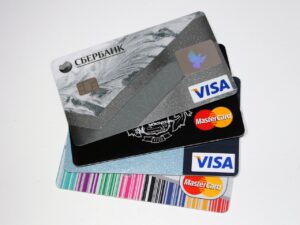


Understanding the Misconceptions
For a beginner just discovering the world of business credit cards, it’s easy to get caught up in the myths and misconceptions surrounding them. Everyone says they are risky, or that they are only for large corporations, or that they have hidden fees. But what if these assumptions are incomplete or wrong? What if business credit cards are actually a valuable tool for businesses of all sizes?
📝 In This Post
Understanding Business Credit Cards
A business credit card is a type of credit card designed specifically for business use, offering benefits such as expense tracking, rewards programs, and higher credit limits.
| Term | Plain-English Meaning |
|---|---|
| Credit Limit | The maximum amount of credit available on a business credit card |
| Interest Rate | The percentage of the outstanding balance that is charged as interest |
| Rewards Program | A system that offers incentives, such as cash back or points, for using the business credit card |
| Expense Tracking | The ability to monitor and categorize business expenses, often through online accounting tools |
| Annual Fee | A yearly charge for maintaining the business credit card account |
| Introductory APR | A promotional interest rate offered for a limited time, usually at the beginning of the credit card agreement |
Why Business Credit Cards Matters
Business credit cards are not just for large corporations; they can be a vital financial tool for businesses of all sizes. According to a recent survey, 75% of small business owners use credit cards to finance their operations, with the average small business holding 4.8 credit cards. The real-world impact of business credit cards can be seen in the example of a small business owner who used a business credit card to finance the expansion of their company, resulting in a 25% increase in sales.
In addition, business credit cards offer a level of separation between personal and business finances, which is essential for maintaining accurate accounting records and minimizing personal financial risk. For instance, a business credit card can provide detailed expense reports, making it easier to track and categorize business expenses.
Furthermore, many business credit cards offer valuable rewards programs, such as cash back or travel points, which can help businesses save money or reward employees. A study found that businesses that use rewards credit cards can earn an average of $1,200 per year in rewards, which can be reinvested in the business.
Core Business Credit Card Approaches
1. Choosing the Right Business Credit Card
Choosing the right business credit card involves considering factors such as the interest rate, fees, credit limit, and rewards program. To do this, businesses should research and compare different credit card options, reading reviews and checking the terms and conditions. A common beginner mistake is not considering the annual fee, which can add up quickly.
- Why It Works: By choosing a credit card with a low interest rate and no annual fee, businesses can save money on interest and fees.
- It allows businesses to separate their personal and business finances, making it easier to track expenses and maintain accurate accounting records.
2. Setting a Budget and Tracking Expenses
Setting a budget and tracking expenses is crucial for businesses that use credit cards. This involves monitoring cash flow, categorizing expenses, and setting spending limits. To do this, businesses can use online accounting tools, such as QuickBooks or Xero, to track their expenses and stay within their budget. A common beginner mistake is not regularly reviewing and updating the budget.
- Why It Works: By setting a budget and tracking expenses, businesses can avoid overspending and stay within their means.
- It helps businesses identify areas for cost savings and make informed financial decisions.
3. Making Timely Payments
Making timely payments is essential for businesses that use credit cards. This involves paying the full balance on time, every time, to avoid interest charges and late fees. To do this, businesses can set up automatic payments, ensuring that they never miss a payment. A common beginner mistake is not paying the full balance, which can result in interest charges.
- Why It Works: By making timely payments, businesses can avoid interest charges and late fees.
- It helps businesses maintain a good credit score, which is essential for securing loans and credit in the future.
4. Taking Advantage of Rewards Programs
Taking advantage of rewards programs is a great way for businesses to earn cash back, travel points, or other incentives. To do this, businesses should research the rewards program offered by their credit card and use it for all their business expenses. A common beginner mistake is not redeeming rewards, which can result in lost benefits.
- Why It Works: By taking advantage of rewards programs, businesses can earn cash back or other incentives, which can be reinvested in the business.
- It helps businesses save money on everyday expenses, such as office supplies or travel.
5. Monitoring Credit Scores
Monitoring credit scores is crucial for businesses that use credit cards. This involves checking credit reports regularly, disputing any errors, and maintaining a good credit history. To do this, businesses can use credit monitoring services, such as Credit Karma or Experian. A common beginner mistake is not checking credit reports regularly, which can result in errors or identity theft.
- Why It Works: By monitoring credit scores, businesses can maintain a good credit history, which is essential for securing loans and credit in the future.
- It helps businesses identify areas for improvement and make informed financial decisions.
6. Avoiding Fees and Interest
Avoiding fees and interest is essential for businesses that use credit cards. This involves avoiding late payments, keeping credit utilization low, and avoiding unnecessary fees. To do this, businesses can set up automatic payments, keep track of their credit utilization, and avoid using credit cards for cash advances or balance transfers. A common beginner mistake is not avoiding fees and interest, which can result in unnecessary expenses.
- Why It Works: By avoiding fees and interest, businesses can save money on unnecessary expenses.
- It helps businesses maintain a good credit score, which is essential for securing loans and credit in the future.
7. Reviewing and Adjusting
Reviewing and adjusting is an ongoing process for businesses that use credit cards. This involves regularly reviewing credit card statements, adjusting budgets, and making changes as needed. To do this, businesses can set up regular review sessions, either quarterly or annually, to review their credit card usage and make adjustments. A common beginner mistake is not regularly reviewing and adjusting, which can result in overspending or missed opportunities.
- Why It Works: By reviewing and adjusting, businesses can stay on top of their finances and make informed decisions.
- It helps businesses identify areas for improvement and make changes to optimize their credit card usage.
| Step | What You Do | Expected Result |
|---|---|---|
| 1. Choose the right business credit card | Research and compare credit card options | Save money on interest and fees |
| 2. Set a budget and track expenses | Monitor cash flow and categorize expenses | Avoid overspending and stay within budget |
| 3. Make timely payments | Pay the full balance on time, every time | Avoid interest charges and late fees |
| 4. Take advantage of rewards programs | Use the credit card for all business expenses | Earn cash back or other incentives |
| 5. Monitor credit scores | Check credit reports regularly | Maintain a good credit history |
| 6. Avoid fees and interest | Avoid late payments and keep credit utilization low | Save money on unnecessary expenses |
| 7. Review and adjust | Regularly review credit card statements and adjust as needed | Stay on top of finances and make informed decisions |
Frequently Asked Questions
What is the difference between a business credit card and a personal credit card?
A business credit card is designed specifically for business use, offering benefits such as expense tracking, rewards programs, and higher credit limits. In contrast, a personal credit card is designed for personal use, with lower credit limits and fewer benefits.
How do I apply for a business credit card?
To apply for a business credit card, businesses should research and compare different credit card options, check their credit score, and submit an application. The application process typically involves providing business and personal financial information, as well as verifying the business’s identity.
What are the benefits of using a business credit card?
The benefits of using a business credit card include expense tracking, rewards programs, and higher credit limits. Additionally, business credit cards can help businesses separate their personal and business finances, making it easier to track expenses and maintain accurate accounting records.
How do I avoid overspending on a business credit card?
To avoid overspending on a business credit card, businesses should set a budget, track expenses, and make timely payments. Additionally, businesses can set up alerts and notifications to monitor their spending and stay within their budget.
Can I use a business credit card for personal expenses?
While it is technically possible to use a business credit card for personal expenses, it is not recommended. Using a business credit card for personal expenses can blur the line between personal and business finances, making it difficult to track expenses and maintain accurate accounting records.
Wrapping Up
Business credit cards are a valuable tool for businesses of all sizes, offering benefits such as expense tracking, rewards programs, and higher credit limits. By choosing the right business credit card, setting a budget, making timely payments, and taking advantage of rewards programs, businesses can find the full potential of their credit card and achieve financial stability. With the right knowledge and strategies, businesses can use business credit cards to drive growth, increase efficiency, and succeed in their industry.