
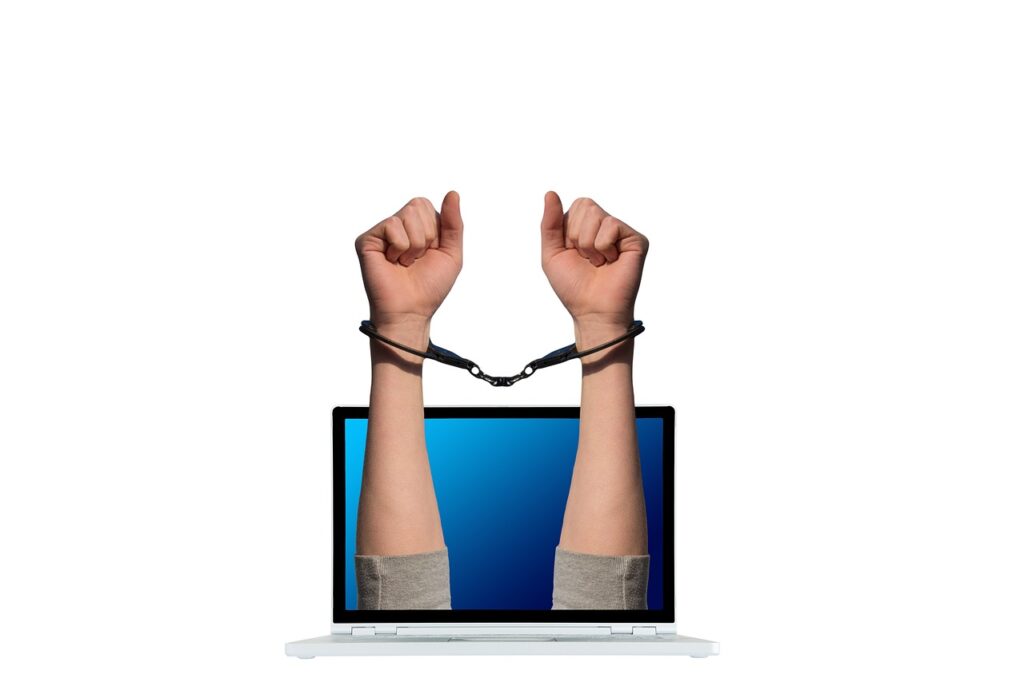

For those just discovering the world of digital banking, it’s easy to overlook the potential risks associated with online financial transactions. Most people assume that their bank’s website and mobile app are completely secure, without taking the necessary precautions to protect their own information. However, this oversight can lead to serious consequences, including identity theft and financial loss. As a beginner, it’s crucial to understand the importance of digital banking security. Digital banking security is not just about the bank’s responsibility; it also requires customers to take an active role in protecting their accounts. Here’s the key thing to understand: security is a shared responsibility between the bank and the customer.
&#; Contents
What Is Digital Banking Security?
Digital banking security refers to the measures and protocols put in place to protect online banking systems, customers’ personal information, and financial transactions from unauthorized access, theft, and other malicious activities. This includes a range of technologies, policies, and procedures designed to ensure the confidentiality, integrity, and availability of digital banking services.
| Term | Plain-English Meaning |
|---|---|
| Encryption | A method of scrambling data to prevent unauthorized access. |
| Firewall | A network security system that monitors and controls incoming and outgoing network traffic. |
| Two-Factor Authentication | A security process that requires a second form of verification, such as a code sent to a phone, in addition to a password. |
| Phishing | A type of cyber attack that involves tricking individuals into revealing sensitive information, such as passwords or financial information. |
| Malware | Software designed to harm or exploit a computer system, such as viruses, Trojans, or spyware. |
| SSL | Secure Sockets Layer, a protocol that provides a secure connection between a web server and a browser. |
Why Digital Banking Security: What Customers Need to Know Matters
Digital banking security is crucial for protecting customers’ financial information and preventing cyber attacks. According to a recent study, 1 in 5 online banking customers have experienced some form of cyber attack, resulting in an average loss of $1,200 per incident. Furthermore, a survey found that 75% of online banking customers are concerned about the security of their personal and financial information when using digital banking services. Most people miss this: the importance of being proactive in protecting their online banking information.
Customers who understand the importance of digital banking security can take steps to protect themselves, such as using strong passwords, keeping their software up to date, and being cautious when clicking on links or providing personal information. Banks also benefit from digital banking security, as it helps to prevent financial losses and maintain customer trust. For example, a bank that implements robust security measures can reduce the risk of cyber attacks and minimize the potential for financial losses, which can amount to millions of dollars.
In addition, digital banking security is essential for maintaining the integrity of the financial system as a whole. A breach in digital banking security can have far-reaching consequences, including damage to the reputation of the bank and the financial industry, as well as potential legal and regulatory repercussions. Here’s the key thing to understand: digital banking security is not just about protecting individual customers, but also about maintaining the stability of the financial system.
Core Digital Banking Security Approaches
1. Use Strong Passwords and Keep Them Confidential
Using strong passwords is one of the most effective ways to protect digital banking information. A strong password should be at least 12 characters long and include a combination of uppercase and lowercase letters, numbers, and special characters. Customers should also avoid using the same password for multiple accounts and keep their passwords confidential.
To use strong passwords effectively, customers should consider using a password manager to generate and store unique passwords for each account. They should also avoid using public computers or public Wi-Fi to access digital banking services, as these can be vulnerable to cyber attacks. A common beginner mistake is using easily guessable information, such as birthdates or names, as passwords.
- Key Benefits:
- Prevents unauthorized access to accounts
- Protects personal and financial information
2. Enable Two-Factor Authentication
Two-factor authentication adds an extra layer of security to digital banking services by requiring a second form of verification, such as a code sent to a phone or a biometric scan. This makes it much more difficult for cyber attackers to gain access to accounts, even if they have obtained a customer’s password.
To enable two-factor authentication, customers should check with their bank to see if this feature is available and follow the instructions to set it up. They should also ensure that their phone or other device is secure and protected with a password or biometric scan. A common beginner mistake is not keeping the second factor, such as a phone, secure.
- Key Benefits:
- Provides an additional layer of security
- Prevents unauthorized access to accounts
3. Keep Software Up to Date
Keeping software up to date is essential for protecting digital banking information, as outdated software can be vulnerable to cyber attacks. Customers should ensure that their operating system, browser, and other software are updated regularly, and that they have the latest security patches installed.
To keep software up to date, customers should enable automatic updates and regularly check for updates manually. They should also be cautious when clicking on links or downloading software from unknown sources, as these can be malicious. A common beginner mistake is ignoring update notifications or delaying updates.
- Key Benefits:
- Protects against known vulnerabilities
- Ensures the latest security features are enabled
4. Be Cautious with Emails and Attachments
Cyber attackers often use emails and attachments to trick customers into revealing sensitive information or installing malware. Customers should be cautious when opening emails or attachments from unknown sources, and should never provide personal or financial information in response to an email.
To be cautious with emails and attachments, customers should verify the sender’s email address and check for spelling and grammar mistakes, which can indicate a phishing email. They should also avoid clicking on links or downloading attachments from unknown sources. A common beginner mistake is responding to suspicious emails or providing sensitive information.
- Key Benefits:
- Prevents phishing attacks
- Protects against malware and viruses
5. Monitor Accounts Regularly
Monitoring accounts regularly is essential for detecting and preventing cyber attacks. Customers should check their accounts regularly for any suspicious activity, such as unauthorized transactions or changes to account information.
To monitor accounts effectively, customers should set up account alerts and check their accounts at least once a week. They should also keep their account information up to date and report any suspicious activity to their bank immediately. A common beginner mistake is not checking accounts regularly or ignoring suspicious activity.
- Key Benefits:
- Detects suspicious activity early
- Prevents financial losses
6. Use Secure Networks and Devices
Using secure networks and devices is essential for protecting digital banking information. Customers should avoid using public computers or public Wi-Fi to access digital banking services, as these can be vulnerable to cyber attacks.
To use secure networks and devices, customers should use a secure home network and keep their devices and software up to date. They should also use a virtual private network (VPN) when accessing public Wi-Fi. A common beginner mistake is using public Wi-Fi or unsecured devices to access digital banking services.
- Key Benefits:
- Protects against cyber attacks
- Ensures secure data transmission
7. Educate Yourself on Digital Banking Security
Educating oneself on digital banking security is essential for staying ahead of cyber threats. Customers should stay informed about the latest security threats and best practices, and should take steps to educate themselves on how to protect their digital banking information.
To educate oneself on digital banking security, customers should visit their bank’s website and read about security best practices. They should also attend workshops or webinars on digital banking security and stay up to date with the latest security news. A common beginner mistake is not staying informed about digital banking security.
- Key Benefits:
- Stays ahead of cyber threats
- Empowers customers to take control of their security
| Step | What You Do | Expected Result |
|---|---|---|
| 1. Use Strong Passwords | Create and use unique, complex passwords for each account | Prevents unauthorized access to accounts |
| 2. Enable Two-Factor Authentication | Set up and use two-factor authentication for digital banking services | Provides an additional layer of security |
| 3. Keep Software Up to Date | Regularly update operating system, browser, and other software | Protects against known vulnerabilities |
| 4. Be Cautious with Emails and Attachments | Verify sender’s email address and avoid clicking on suspicious links or downloading attachments | Prevents phishing attacks and malware infections |
| 5. Monitor Accounts Regularly | Regularly check accounts for suspicious activity and report any issues to the bank | Detects and prevents financial losses |
| 6. Use Secure Networks and Devices | Use a secure home network and keep devices and software up to date | Protects against cyber attacks and ensures secure data transmission |
| 7. Educate Yourself on Digital Banking Security | Stay informed about the latest security threats and best practices | Empowers customers to take control of their security and stay ahead of cyber threats |
Frequently Asked Questions
What is the most common type of cyber attack on digital banking services?
The most common type of cyber attack on digital banking services is phishing, which involves tricking customers into revealing sensitive information, such as passwords or financial information. Phishing attacks can be highly sophisticated and may use social engineering tactics to trick customers into providing sensitive information.
How can I protect myself from phishing attacks?
To protect yourself from phishing attacks, you should verify the sender’s email address and check for spelling and grammar mistakes, which can indicate a phishing email. You should also avoid clicking on links or downloading attachments from unknown sources, and never provide personal or financial information in response to an email.
What is two-factor authentication and how does it work?
Two-factor authentication is a security process that requires a second form of verification, such as a code sent to a phone or a biometric scan, in addition to a password. This adds an extra layer of security to digital banking services, making it much more difficult for cyber attackers to gain access to accounts.
How often should I check my accounts for suspicious activity?
You should check your accounts at least once a week for suspicious activity, such as unauthorized transactions or changes to account information. You should also set up account alerts to notify you of any suspicious activity, and report any issues to your bank immediately.
What is the best way to stay informed about the latest security threats and best practices?
The best way to stay informed about the latest security threats and best practices is to visit your bank’s website and read about security best practices. You should also attend workshops or webinars on digital banking security and stay up to date with the latest security news.
Worth Remembering
Digital banking security is a shared responsibility between the bank and the customer, and customers must take an active role in protecting their online banking information. By following the core digital banking security approaches and staying informed about the latest security threats and best practices, customers can help to prevent cyber attacks and protect their financial information. Here’s the key thing to understand: digital banking security is an ongoing process that requires constant vigilance and attention to detail.
Customers who prioritize digital banking security can enjoy the convenience and flexibility of online banking while minimizing the risk of cyber attacks. By taking control of their digital banking security, customers can protect their financial information and prevent financial losses. Digital banking security is not just about protecting individual customers; it’s also about maintaining the stability of the financial system.
To wrap up is not used, instead, the final thoughts are: digital banking security is a critical aspect of online banking, and customers must be proactive in protecting their accounts. By understanding the importance of digital banking security and taking the necessary steps to protect their information, customers can enjoy the benefits of online banking while minimizing the risks.